

Key Takeaways
- University of Würzburg found a 3-day oak budburst delay sharply cuts caterpillar survival.
- Nature Ecology & Evolution found oak leaf damage fell about 55% after delayed budburst.
- Researchers tracked 60 oak forests over 5 years, opening new questions about spring timing.
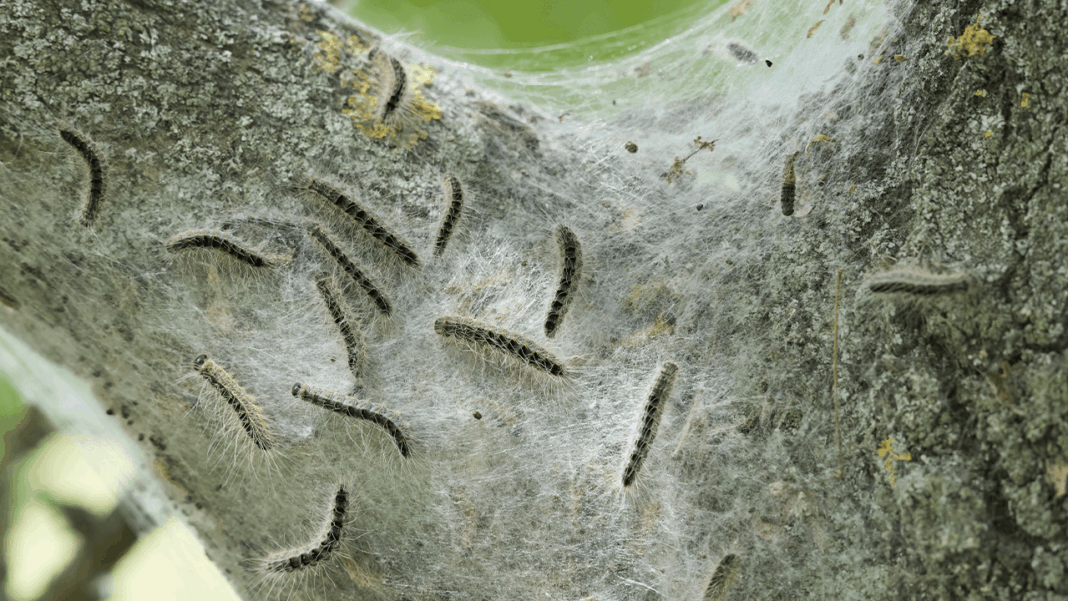
Caterpillars can strip an oak bare, but the tree appears to keep score. An international team found that after a heavy attack in one year, oaks delay spring budburst by about three days the following season, leaving newly hatched caterpillars without fresh leaves and slashing their survival. The shift cuts leaf damage by more than half, roughly 55% in some reports, and it was tracked across Central European forests using five years of satellite radar data, including a revealing gypsy moth outbreak in 2019. As University of Würzburg postdoc Soumen Mallick put it, “The delaying tactic is more effective for the oak than a chemical defense, such as bitter tannins in the leaves.”
A clever defense hiding in plain sight
One of my favorite kinds of tech stories starts far from a server rack. In May 2026, ScienceDaily’s report pointed to a new finding about oak trees: after a year of heavy caterpillar feeding, they don’t just “bounce back.” They change their timing. The next spring, the trees delay budburst by about 3 days, leaving newly hatched caterpillars short on fresh leaves.
The work was published in Nature Ecology & Evolution under the title “Satellite data show trees delay budburst across landscapes to escape herbivores.” It’s a reminder that “timing” is an active strategy, not just a response to temperature.
Why 3 days can swing survival
That small delay carried big consequences. Researchers found it sharply cut caterpillar survival and reduced leaf damage to the oak by more than half, with some reporting pegging the drop at about 55%. It is a clean, mechanical-sounding result: miss the meal window, and fewer insects make it.
Soumen Mallick, a postdoctoral researcher at the University of Würzburg’s Biocentre and the study’s lead author, put it bluntly: “The delaying tactic is more effective for the oak than a chemical defense, such as bitter tannins in the leaves.”
Radar data, a 10-meter grid, and a natural stress test
To get there, the team leaned on remote sensing rather than forest-by-forest anecdote. They analyzed 5 years (2017-2021) of satellite radar data across 60 temperate oak forest sites in Central Europe, tracking about 27,500 pixels at 10×10 meter resolution, alongside experimental manipulation of insect herbivore loads.
One year stood out: 2019, when the region saw a massive gypsy moth outbreak. Co-senior author Professor Jörg Müller of the University of Würzburg said, “The radar sensors recorded exactly which trees were stripped bare and how they reacted in the following year.” (For US readers used to “satellite AI,” this is the kind of ground-truth-meets-sensor workflow that makes ecological signals legible at scale.)
A new wrinkle in what triggers “spring”
The study challenges the long-running assumption that budburst is driven only by temperature and weather. Co-senior author Professor Andreas Prinzing of the University of Rennes said, “This dynamic interplay is an example of the forest’s high resilience and adaptability in a changing world.”
And Müller drew the bigger line under it: “This discovery fundamentally changes our previous understanding of the onset of spring in the forest.” If oaks can shift their calendars after an insect onslaught, then springtime across a landscape can be, in part, a biological memory written into timing.