
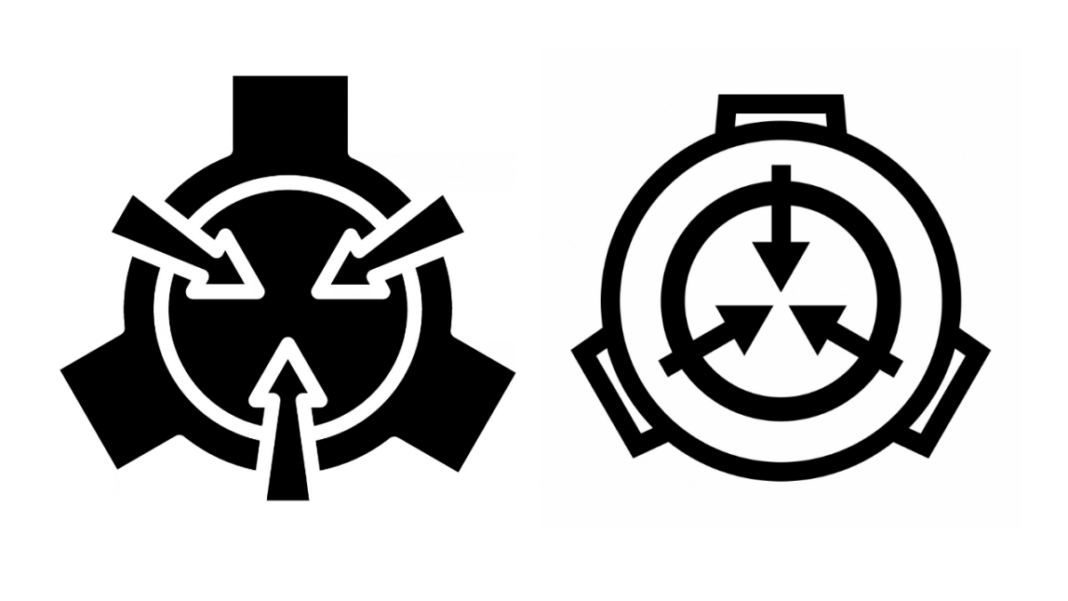
For nearly two decades, writers on the internet have been adding to the SCP Foundation, a fictional world where a secret organization keeps supernatural creatures, strange objects, and unexplained phenomena hidden from the public. Their stories fill an online wiki, often taking the form of classified files detailing what each discovery does and how to keep it contained.
Now, that world is heading to theaters. Neon has announced an SCP Foundation anthology movie for 2027, bringing multiple stories together in one film with a focus on emerging filmmakers. It joins the separately announced A24-backed V/H/S: SCP, an expansion of the V/H/S horror franchise being produced with Spooky Pictures and Image Nation Studios. Both films are targeting theatrical releases in 2027, so two different adaptations are in the works.
If “SCP Foundation” means absolutely nothing to you, don’t worry. You don’t need to have spent years reading fictional incident reports to catch up. Here’s everything you need to know about the collaborative writing project, the universe its contributors have created, and why Hollywood’s interest has sparked debate.
What is the SCP Foundation?

Credit: Screenshot/SCP Foundation Wiki
The name refers to both the fictional secret organization and the real collaborative writing project built around it. Within the stories, the Foundation locates, studies, and contains “anomalies”: creatures, objects, places, or phenomena that defy the rules of reality. Its mission is to keep those anomalies hidden from the public and protect humanity, while also protecting the anomalies themselves until they can be better understood.
In real life, the SCP Wiki is a website where contributors write fiction set around that premise. The wiki was founded in 2008, and readers can explore individual entries, longer stories, artwork, and different interpretations of the setting.
What does SCP stand for?
“Secure, Contain, Protect” is the Foundation’s motto. The initials also refer to “Special Containment Procedures,” the instructions for managing individual anomalies. That’s why you’ll see names such as SCP-173 or SCP-682. These are identifying numbers for entries in the fictional database, rather than installments you need to read in order.
Many entries resemble internal documents, with an item number, an object class, containment instructions, and a description. Some add interviews, experiment logs, or incident reports that gradually reveal what has gone wrong. The format gives the horror its particular flavor: Something impossible has happened, and the people describing it have already developed a protocol. You get to discover why they needed one.
Mashable Trend Report
Like the Backrooms, Slender Man, and Jeff the Killer, SCP grew out of creepypasta, the internet tradition of sharing unsettling fictional stories that take on a life of their own as people circulate and expand on them. SCP’s starting point was SCP-173, posted to 4chan’s paranormal /x/ board in 2007. Other writers began inventing their own strange creatures and objects, gradually building a fictional organization to contain them all.
What are some examples of SCPs?
Some SCPs are the stuff of nightmares: SCP-173 is a hostile concrete statue that cannot move while someone is looking directly at it (meaning the people handling it must warn one another before blinking). SCP-682, meanwhile, is an intelligent, reptile-like creature that hates living things and keeps regenerating despite the Foundation’s efforts to destroy it. But there’s room for something a little friendlier, too: SCP-999 is a playful orange blob that enjoys interacting with people and makes them feel happy through touch. The list of SCPs goes on and on.
Keeping track of these anomalies involves more than assigning numbers. Entries use classifications such as “Safe,” “Euclid,” and “Keter” to describe how difficult they are to contain. (Safe means containment is relatively straightforward, Euclid means it is more complex, and Keter means it is particularly difficult.)
As for how all these stories fit together, there’s some flexibility. The newcomer guide explains that SCP has no single overarching canon, so writers can offer different versions of the Foundation’s history, resources, and behavior. Some stories share a setting or reference one another, and the Canon Hub collects works that follow common rules and maintain continuity. But you don’t have to make every entry line up to enjoy what you’re reading.
Why are the movies causing debate?
The same openness that lets creators expand SCP also shapes how a studio can adapt it. The wiki’s work is released under a Creative Commons Attribution-ShareAlike license, commonly shortened to CC BY-SA 3.0. As its licensing guide explains, creators can make adaptations, including commercial ones, but must provide attribution and release their derivative work under the required license. Other people can then copy, share, and build on that adaptation under its terms.
Following the Sept. 11 announcement of the A24-backed film, the team behind the SCP Wiki raised concerns about communication and licensing. They said no one involved in the film had contacted them and emphasized that A24 could not claim exclusive rights to SCP. Their concern came down to whether the filmmakers would respect the rules that let everyone build on the project: “[A24] does not need our permission or involvement to create a work under the terms of our license,” they wrote. “Our concern is whether they will follow the license.”
Neon, meanwhile, addressed the licensing question in its Sept. 30 announcement, saying it would release the film and related materials under CC BY-SA. In a separate statement, the volunteers who run the SCP Wiki said they had helped Neon with licensing questions and offered basic advice, and were satisfied that the studio intended to follow the requirements. That doesn’t make it an official collaboration, though. “This is not an ‘official’ SCP Foundation film, as staff does not endorse such projects in our official capacity,” they wrote.
For some fans, that approach has earned Neon goodwill before a single scene has been released. In a Reddit discussion of the wiki’s statement, commenters praised the studio’s communication, while others emphasized their hopes for the adaptation itself. “Hoping that whatever comes out respects the amazing work that the writers do,” one wrote.
This Tweet is currently unavailable. It might be loading or has been removed.
This Tweet is currently unavailable. It might be loading or has been removed.
Others are wondering how the business side will work. In another thread, commenters debated whether audiences would pay for a movie that could also be legally shared under its license.
Neon’s SCP Foundation movie is slated to reach theaters in 2027. Until then, the SCP Wiki offers plenty to explore, if you dare.