
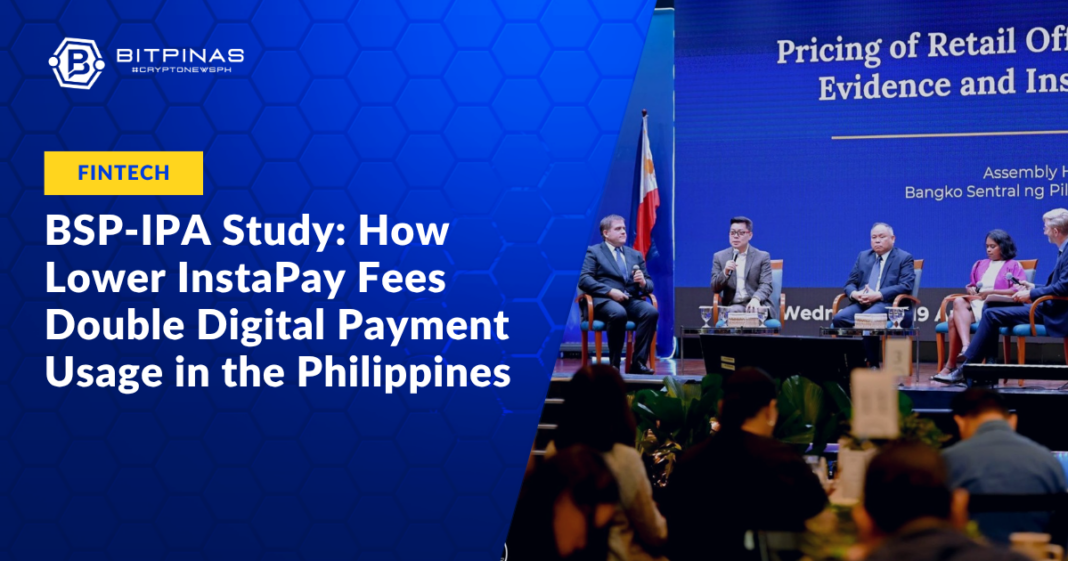

Every time someone tries to send money across different Filipino banks, that standard ₱15 to ₱25 InstaPay transfer fee acted as an instant psychological stop sign. For low-income earners and micro-transactors, paying a fee just to move their own money frequently pushes them right back to using physical cash.
Removing or lowering that fee completely reshapes financial behavior. When interbank transfers are free, digital payment activity doubles, while convincing previously inactive account holders to finally make the switch from paper bills.
The Proof in the Data
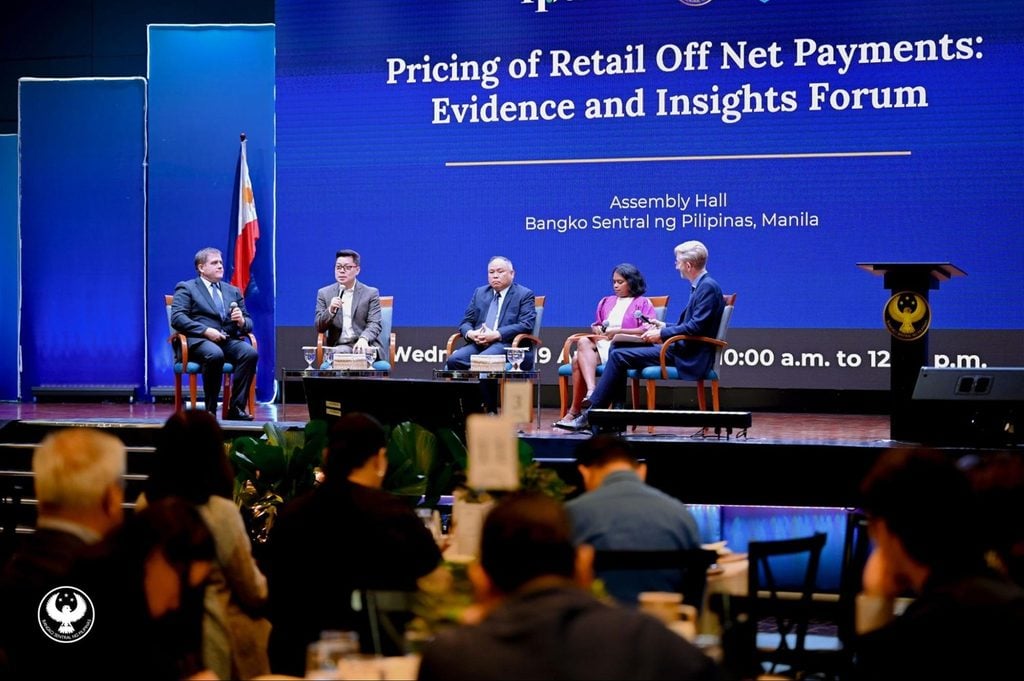
A randomized study conducted by Innovations for Poverty Action (IPA) Philippines, the Bangko Sentral ng Pilipinas (BSP), and Rizal Commercial Banking Corporation (RCBC) tracked 15,000 app users to measure how transfer pricing changes daily habits.
Researchers assigned different InstaPay fee tiers to users across RCBC’s commercial app, Pulz, and its mass-market micro-finance platform, DiskarTech. Analyzing actual transaction logs alongside survey data revealed a direct link between lower costs and higher volume:
- DiskarTech activity doubled: Mass-market users doubled their total transactions when transfer fees were cut to zero.
- Pulz usage jumped: Traditional mobile banking users increased their transactions by approximately 30% under lower fees.
- Non-users got activated: Waiving transfer fees successfully brought previously dormant banking clients into regular digital payment use, particularly among low-income households.
“The study shows that when we reduce friction, people transact more. That makes pricing not just a revenue decision, but also an inclusion decision,” stated Lito Villanueva, Executive Vice President and Chief Innovation and Inclusion Officer of RCBC.
Why Pricing Drives Financial Inclusion

These findings back up the BSP Consumer Expectation Survey, where one in three Filipinos cited high transfer fees as a major barrier to using digital channels. (Read More: List: PH Banks With Free InstaPay and PESONet Transfers After BSP Fee Rules)
With the release of BSP Circular No. 1238 governing retail payment service pricing, central regulators are urging financial institutions to re-evaluate interbank fee structures. Rather than treating fees solely as a revenue stream, banks are being presented with hard empirical data: lower fees create significantly higher customer engagement and transaction velocity.
As IPA Principal Investigator Dr. Russell Toth noted during the study presentation, offering lower fees generates a measurable activation effect on non-users. However, industry leaders stress that price is only step one. Expanding digital coverage also requires reliable network infrastructure, robust consumer protections, and broader merchant acceptance so cash becomes the exception rather than the default. (Read More: (September 2026) List of Digital Banks With High Interest Rates in the Philippines)
This article is published on BitPinas: Turns Out Filipinos Will Use Digital Banking Much More If You Stop Charging Them ₱15 Per Transfer
What else is happening in Crypto Philippines and beyond?