

## Market Snapshot
In the “Average Ships Transiting Strait of Hormuz by End of May” market, the probability of YES has decreased to 6% from 14% in the past 24 hours. Meanwhile, the “Strait of Hormuz Traffic Normal by July 31” market is priced at 42% YES, reflecting potential prolonged disruptions.
## Key Takeaways
– Market activity suggests that participants view the rerouting of shipping as consistent with a decrease in transits through the Strait of Hormuz. – The diversion of global shipping may indicate a significant escalation in the maritime crisis, impacting traffic normalization predictions. – Recent developments appear supportive of scenarios where shipping disruptions continue through May, affecting ship transit markets.
## Article Body
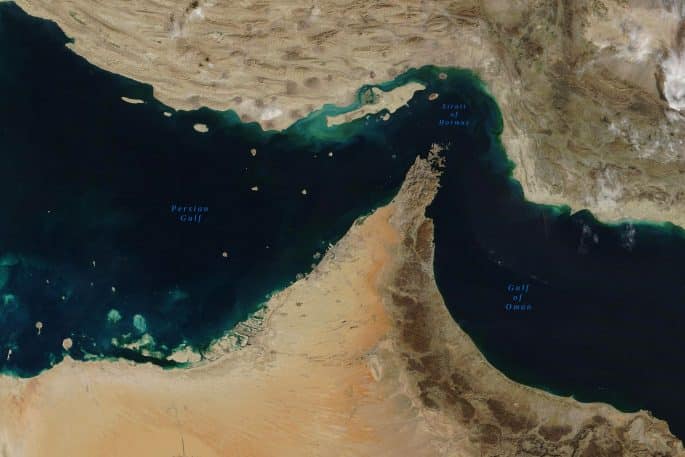
Global shipping companies are rerouting vessels through land routes in Saudi Arabia due to Iran’s control over sections of the Strait of Hormuz. This strategic move is a response to the ongoing maritime crisis involving Iran, Israel, and the United States, centered around the critical waterway. The Strait of Hormuz is a vital corridor for international shipping, and Iran’s selective control has led to disrupted Gulf operations. By establishing alternative routes, Saudi Arabia seeks to bypass the strait, highlighting the heightened security risks and potential for further escalation in the region.
## Market Interpretation
The latest rerouting of shipping lanes appears to be a high-impact development, consistent with a decrease in the probability of meeting transit expectations in the “Average Ships Transiting Strait of Hormuz by End of May” market. Market pricing suggests participants are aligning with scenarios where disruptions persist, making a return to normal traffic by July less likely. The developments could indicate a prolonged period of instability in the region.
## What to Watch
Key actors to monitor include the IRGC Navy and US Central Command for any changes in naval directives that could influence shipping routes. Additionally, watch for announcements from major shipping firms like Maersk and CMA CGM regarding their operations through Hormuz. Diplomatic negotiations involving Iran and neighboring countries may also play a crucial role in determining future traffic patterns through the strait.
Get prediction market intelligence as a structured API feed. Early access waitlist.